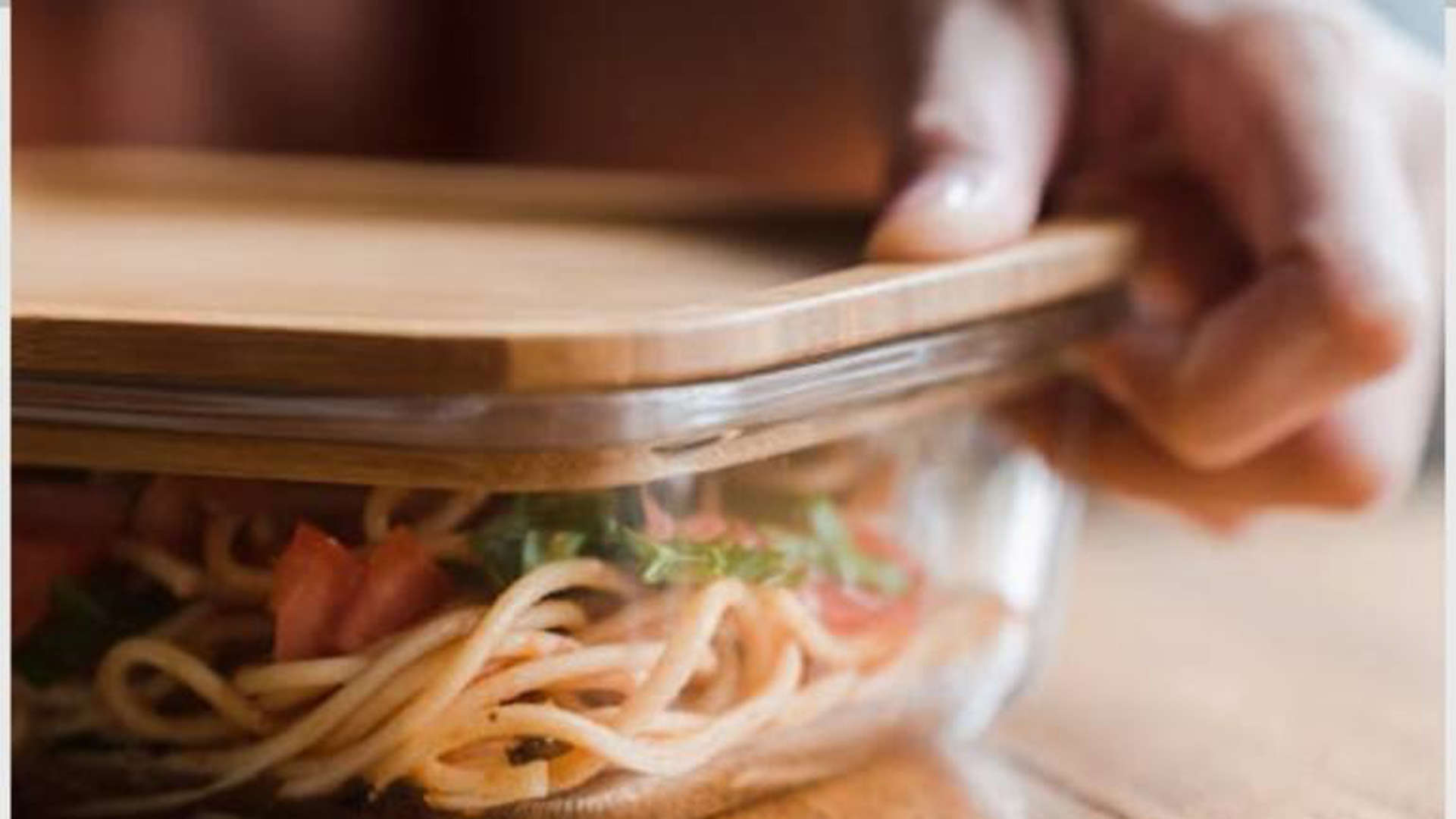
Plastic ખરાબ છે એવું નહીં—પરંતુ “કયો plastic, કેવી રીતે અને કયા food માટે?” એ મહત્વનું છે
Plastic containers આપણા kitchenમાં ખૂબ સામાન્ય છે. પરંતુ દરેક plastic container દરેક પ્રકારના food અને temperature માટે યોગ્ય નથી.
ખાસ કરીને ગરમ, oily અથવા acidic food store કરતી વખતે containerની suitability સમજવી જરૂરી છે.
FDA મુજબ approved food-contact materials માટે safety evaluation કરવામાં આવે છે અને BPA અંગે પણ FDAનું વર્તમાન assessment approved usesને સલામત માને છે. એટલે “દરેક plastic ઝેરી છે” એવો blanket claim યોગ્ય નથી.
કઈ વસ્તુઓમાં વધુ સાવચેતી?
1. ખૂબ ગરમ દાળ/શાક
ખૂબ ગરમ foodને એવા plastic containerમાં તરત ન ભરો જે hot-food storage માટે designed નથી.
2. ગરમ તેલવાળી વસ્તુ
High-fat food સાથે temperature વધે ત્યારે container suitability ખાસ મહત્વપૂર્ણ બની શકે છે.
3. ગરમ soup
Soup steaming hot હોય ત્યારે suitable heat-resistant container પસંદ કરો.
4. ખૂબ ગરમ ચા/coffee
Disposable અથવા unsuitable plasticમાં hot beverages રાખવાનું ટાળો.
5. Tomato-based acidic food
Tomato gravy જેવી acidic food માટે food-grade, appropriate storage container વાપરો.
6. Lemon/pickle જેવી acidic વસ્તુ
Long-term storage માટે glass અથવા manufacturer-approved food-contact container practical વિકલ્પ હોઈ શકે છે.
7. ખૂબ ગરમ leftover
“ગરમ છે એટલે તરત plasticમાં બંધ કરી દઉં” કરતાં food-safe storage instructions અનુસરો.
8. જૂના, cracked અથવા scratched containers
Damage થયેલા containersમાં cracks અને surface deterioration થઈ શકે છે. આવા containers replace કરવાનું વિચારવું.
Container પર શું જુઓ?
- Food-grade indication
- Manufacturer's temperature guidance
- Microwave safe છે કે નહીં
- Freezer safe છે કે નહીં
- Dishwasher safe છે કે નહીં
- Reuse માટે designed છે કે નહીં
સૌથી સરળ નિયમ
Hot food → suitable heat-safe container
Long-term storage → appropriate food-contact material
Damaged container → replace